
How do I manage my monthly bills?
This is a question that I'm sure many of us have asked ourselves at one point or another. It can be difficult to keep track of all of our expenses, and it's easy to feel overwhelmed when we see our bank statements each month. But don't worry! There are ways to make managing your monthly bills a little bit easier. In this post, we'll share some tips on how to stay organized and keep track of your spending.

1. Make a checklist.
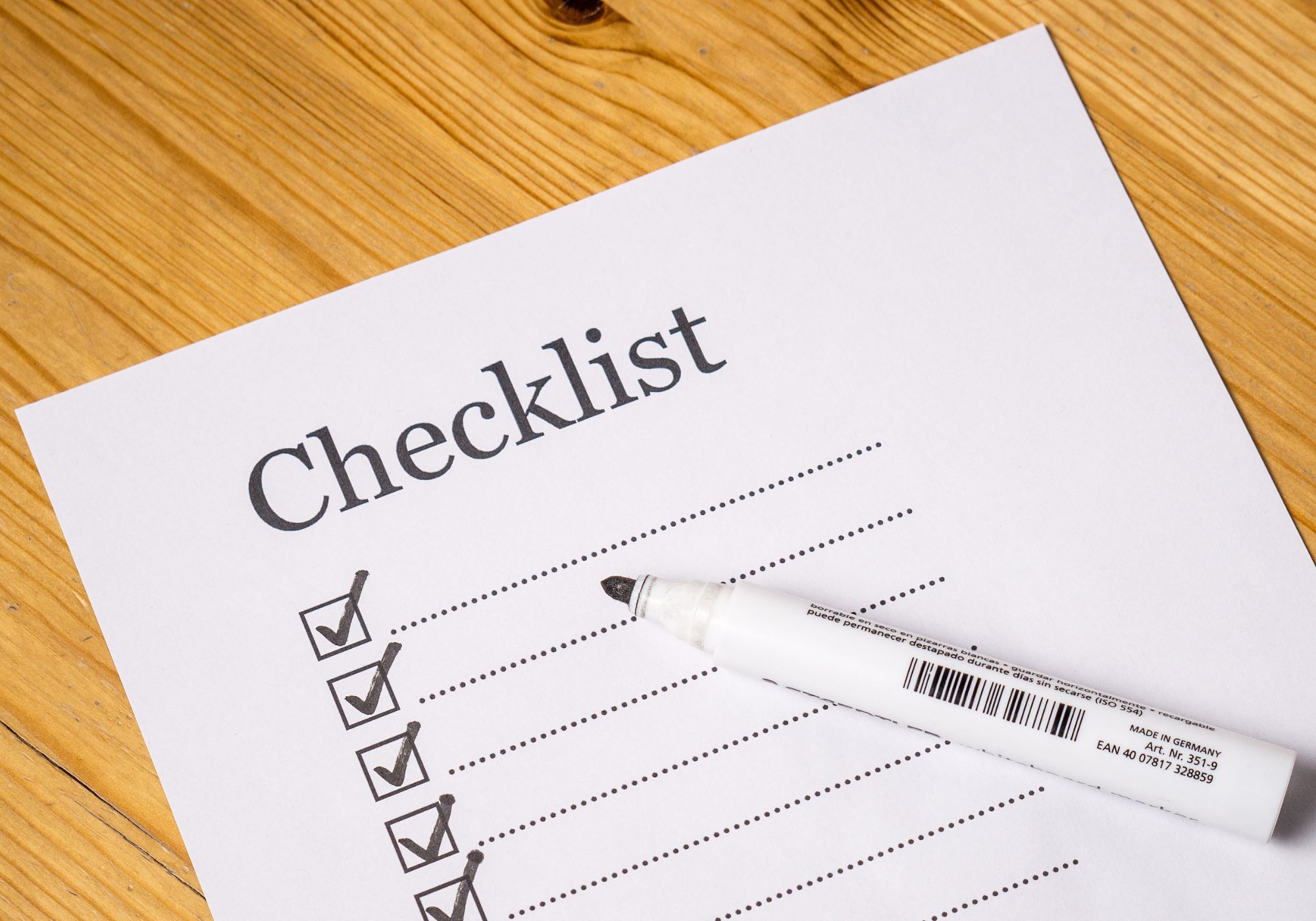
One of the best ways to stay on top of your finances is to create a monthly bill management checklist. This will help you keep track of when bills are due, how much you need to pay, and whether or not you have any late payments. To get started, gather all of your recent bills and create a list of each one. Then, for each bill, note the due date and the minimum payment amount. Finally, make a note of any late fees or penalties that may apply. Once you have your list made, be sure to review it at the beginning of each month to ensure that everything is still accurate. By taking this simple step, you can save yourself a lot of money and hassle in the long run.
2. Make sure your billing statements are correct.
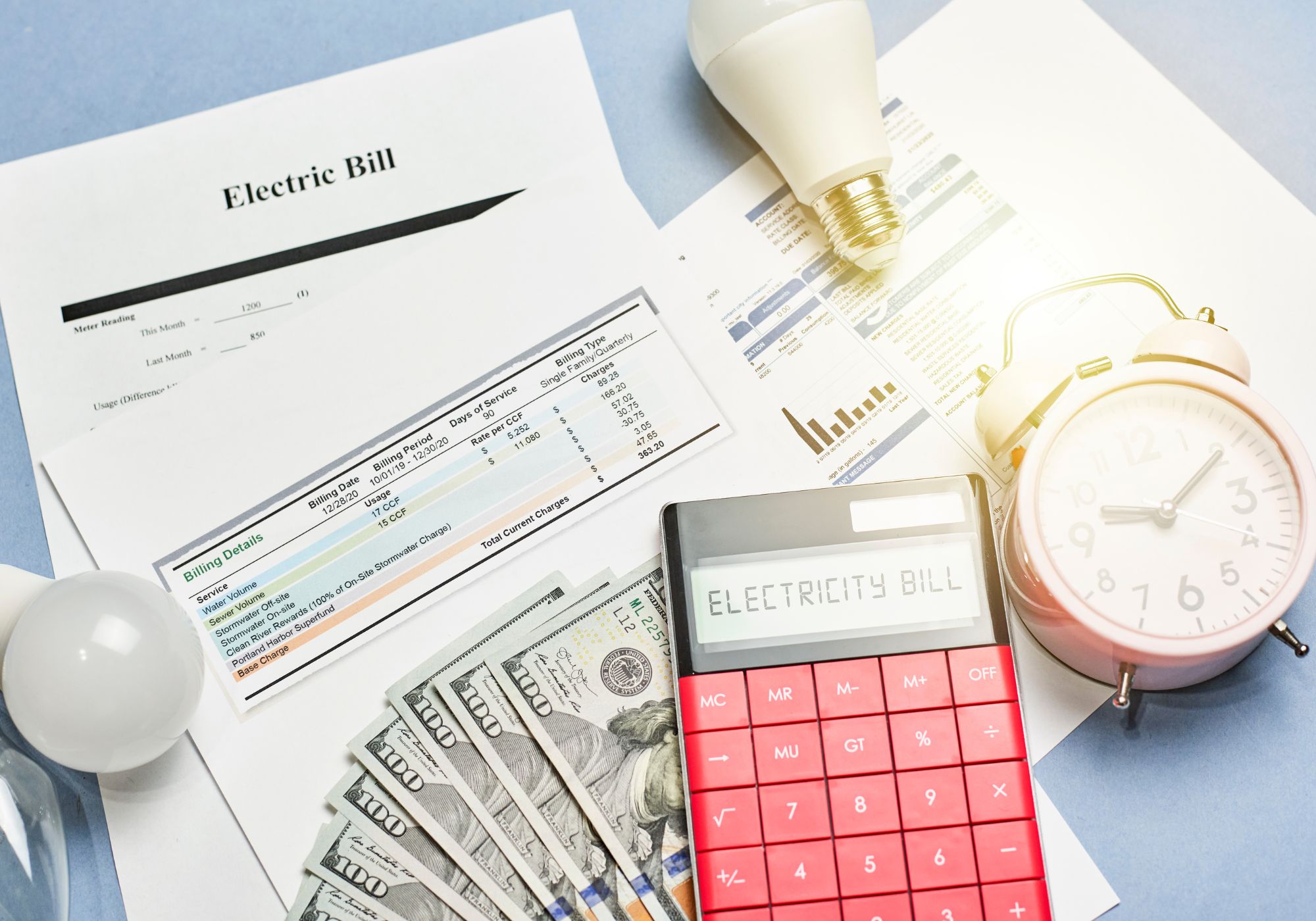
Monthly billing statements can be confusing and complex. To make sure your statement is correct, take the time to review it carefully each month. Check that all of the charges are accurate and that you've been credited for any payments you've made. If you see any discrepancies, contact your service provider right away. By staying on top of your monthly bill, you can avoid costly mistakes and misunderstandings.
3. Keep track of due dates.
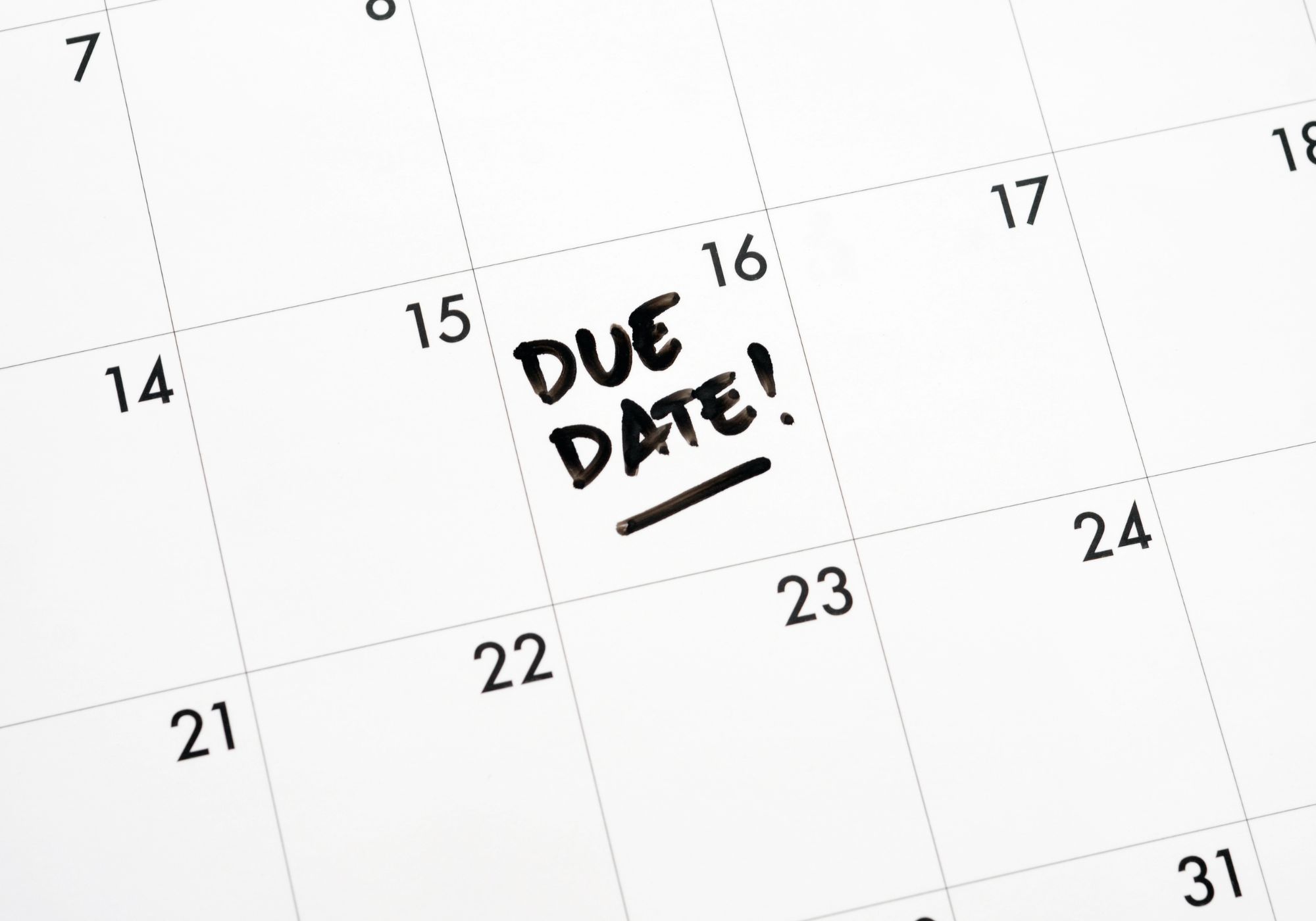
By creating a system to track when bills are due, you can avoid late fees and penalties that can quickly add up. There are a few different ways to keep track of due dates. You can use a physical planner to write down when each bill is due. Whichever method you choose, be sure to update it regularly so that you always have accurate information. If you make tracking due dates a part of your regular financial routine, you'll be able to keep your finances in order with ease.
4. Know about grace period.
Most people are familiar with the concept of a grace period, but they may not know exactly what it is or how it works. A grace period is a set amount of time after a bill is due during which late fees will not be assessed. For example, if your monthly credit card bill is due on the first of the month, you may have until the fifteenth to pay it without being charged a late fee. Grace periods can vary in length depending on the type of bill and the company involved, so it's important to check the terms of your agreement before assuming that you have one. Grace periods can be a helpful way to manage your monthly bills, but they should not be used as an excuse to pay late. If you find that you're consistently unable to pay your bills on time, it's important to take steps to get your finances under control. Otherwise, you may end up paying more late fees than you ever intended.
5. Set a bill-paying date.
In today's society, it is important to be on top of your finances. One way to do this is by setting a bill-paying date. This is the day of the month when you sit down and pay all of your bills. This can help you stay organized and avoid late fees. Monthly bill management can be difficult, but it is important to stay on top of your finances. If you set a bill-paying date, you can be sure that your bills are paid on time and you can avoid any late fees. Stay on top of your finances by setting a bill-paying date each month.
6. Stay attentive.
Being attentive to your monthly bills can help you avoid costly late fees and maintain a good credit score. Keep track of when each bill is due and be sure to pay on time. You may want to set up automatic payments from your checking account to ensure that you never miss a payment. If you're struggling to keep track of your bills, consider creating a budget. This will help you track your income and expenses so that you can see where your money is going each month. Staying attentive to your finances is an important part of being a responsible adult.
Managing your monthly bills can be a daunting task, but it doesn't have to be. By using the tips in this article, you can develop a system that makes paying your bills easier and less stressful. Whichever method you choose, make sure to always keep track of your payments and balances so you don't fall behind. So what are you waiting for? Start organizing your finances today!