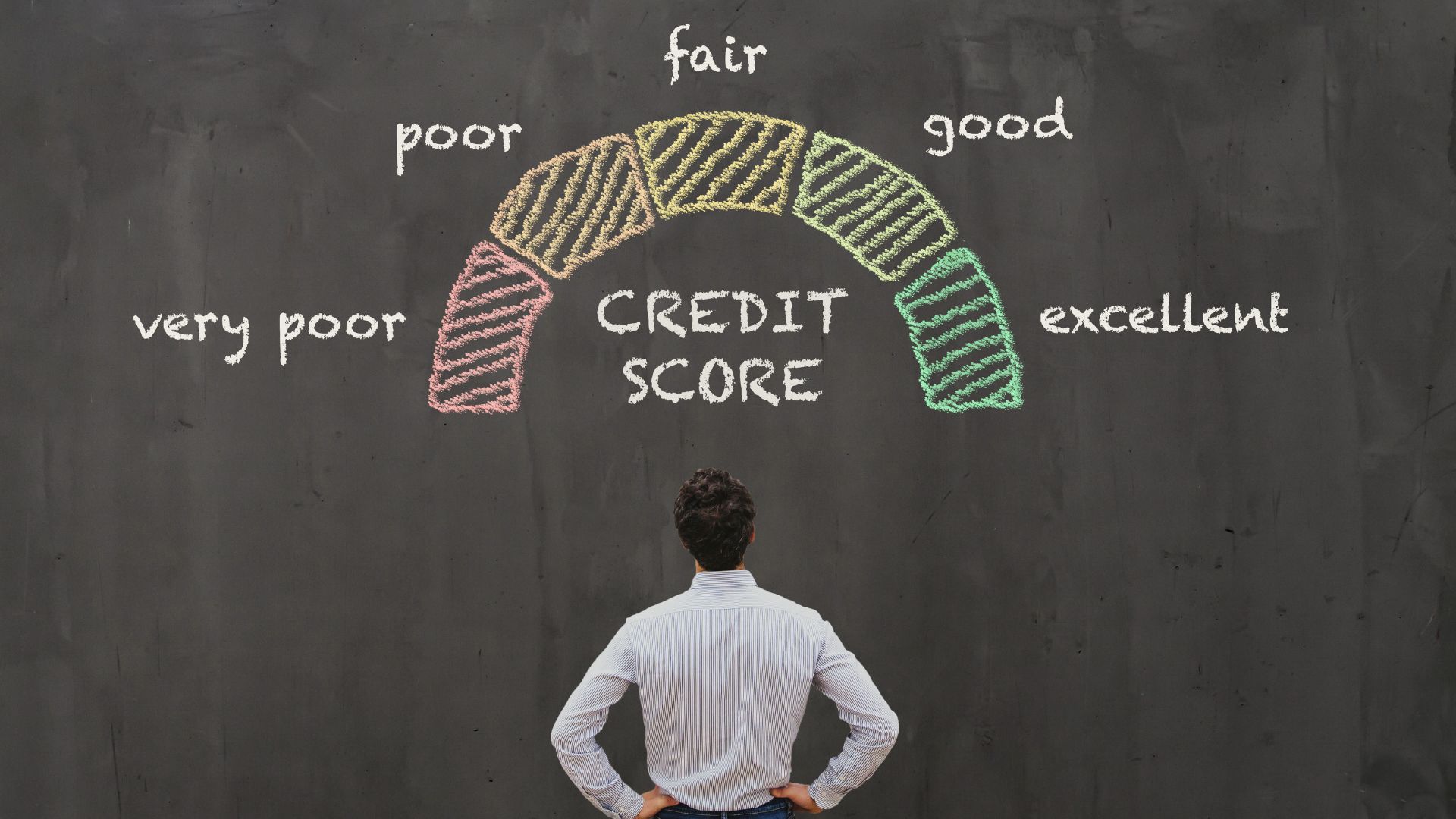
Your credit score is a critical aspect of your financial well-being. Whether you are applying for a loan, mortgage, credit card, or even seeking employment, your credit score plays a crucial role in determining your creditworthiness. A higher credit score opens the door to better interest rates, improved financial opportunities, and greater peace of mind. In this blog, we will explore the key steps to improve your credit score and achieve a more stable financial future.
Section 1: Understanding Credit Scores
Before diving into ways to improve your credit score, it's essential to understand what it represents and how it is calculated. A credit score is a numerical representation of your creditworthiness, ranging from 300 to 850, with higher scores indicating better creditworthiness. The factors that influence your credit score include:
1. Payment history
2. Credit utilization ratio
3. Length of credit history
4. Types of credit
5. New credit applications
Understanding these components will help you identify areas that need improvement.
Section 2: Review Your Credit Report
The first step towards improving your credit score is to review your credit report thoroughly. Obtain a free credit report from each of the three major credit bureaus?Equifax, Experian, and TransUnion. Scrutinize the report for errors, incorrect information, or fraudulent accounts. If you find any discrepancies, dispute them with the credit bureaus to have them corrected.
Section 3: Make Timely Payments
One of the most significant factors influencing your credit score is your payment history. Consistently making on-time payments for all your credit accounts, including loans, credit cards, and utility bills, has a positive impact on your credit score. Set up reminders or automatic payments to ensure you never miss a due date.
Section 4: Reduce Credit Utilization
Your credit utilization ratio, which is the percentage of your available credit that you are currently using, also plays a significant role in your credit score. Aim to keep your credit utilization below 30% to demonstrate responsible credit management. Paying down credit card balances and avoiding maxing out your credit cards will help improve your credit utilization ratio.
Section 5: Avoid Opening Too Many New Accounts
Opening multiple new credit accounts within a short period can negatively impact your credit score. Each credit inquiry results in a small dip in your score. Avoid applying for credit unnecessarily, and be cautious when offered credit cards or financing options, especially during a short period.
Section 6: Build a Strong Credit History
The length of your credit history also affects your credit score. Building a solid credit history takes time, so it's essential to start as early as possible. Keep old accounts open, even if you don't use them frequently, as they contribute positively to the length of your credit history.
Section 7: Diversify Your Credit Mix
Having a diverse mix of credit accounts can positively impact your credit score. This includes a combination of revolving credit (e.g., credit cards) and installment credit (e.g., loans). However, only take on credit that you can manage responsibly, and avoid opening new accounts merely to diversify your credit mix.
Section 8: Settle Outstanding Debts
Paying off outstanding debts, especially those in collections, can significantly improve your credit score. Contact creditors to negotiate payment plans or settlements, which can help remove negative items from your credit report.
Section 9: Become an Authorized User
If you have close family or friends with good credit history and responsible credit habits, ask if they would add you as an authorized user on one of their credit cards. As an authorized user, the positive account history will be reflected on your credit report, potentially boosting your credit score.
Section 10: Seek Professional Help if Needed
Improving your credit score can be challenging, especially if you have significant financial issues or past mistakes. If you find yourself overwhelmed, consider seeking professional help from a reputable credit counseling agency. They can offer guidance and strategies to manage your debt and improve your credit score.
Improving your credit score is a journey that requires patience, discipline, and responsible financial management. By understanding how credit scores work and implementing the strategies outlined in this blog, you can take significant steps toward achieving a better credit score. Remember that building a positive credit history takes time, so be consistent and diligent in your efforts. A higher credit score will not only provide better financial opportunities but also pave the way for a more stable and secure financial future. Start taking control of your credit today!