Your credit score is one of the most important numbers in your life. It can determine your ability to get a loan, a mortgage, or even a job. But what is a credit score, and how can you make sure yours is as high as possible? Here's everything you need to know about credit scores and how to maintain good credit.
What is a credit score?
A credit score is used by financial institutions to determine whether an individual is a good candidate for a loan or credit card. A high credit score means that the individual is a low-risk borrower, while a low credit score indicates that the individual is a high-risk borrower.
There are a number of factors that go into determining an individual?s credit score, including payment history, outstanding debt, length of credit history, and types of credit accounts.
An individual?s credit score can have a major impact on his or her financial life. For example, individuals with higher credit scores will likely qualify for lower interest rates on loans and be approved for more favorable terms than those with lower scores.
How do credit scores work?
Credit scores are one of the most important pieces of financial information for consumers. This three-digit number is used by lenders to determine whether you are a good candidate for a loan, and if so, what interest rate you will be offered. Credit scores are also used by landlords, utility companies, and insurers to decide whether to approve applicants.
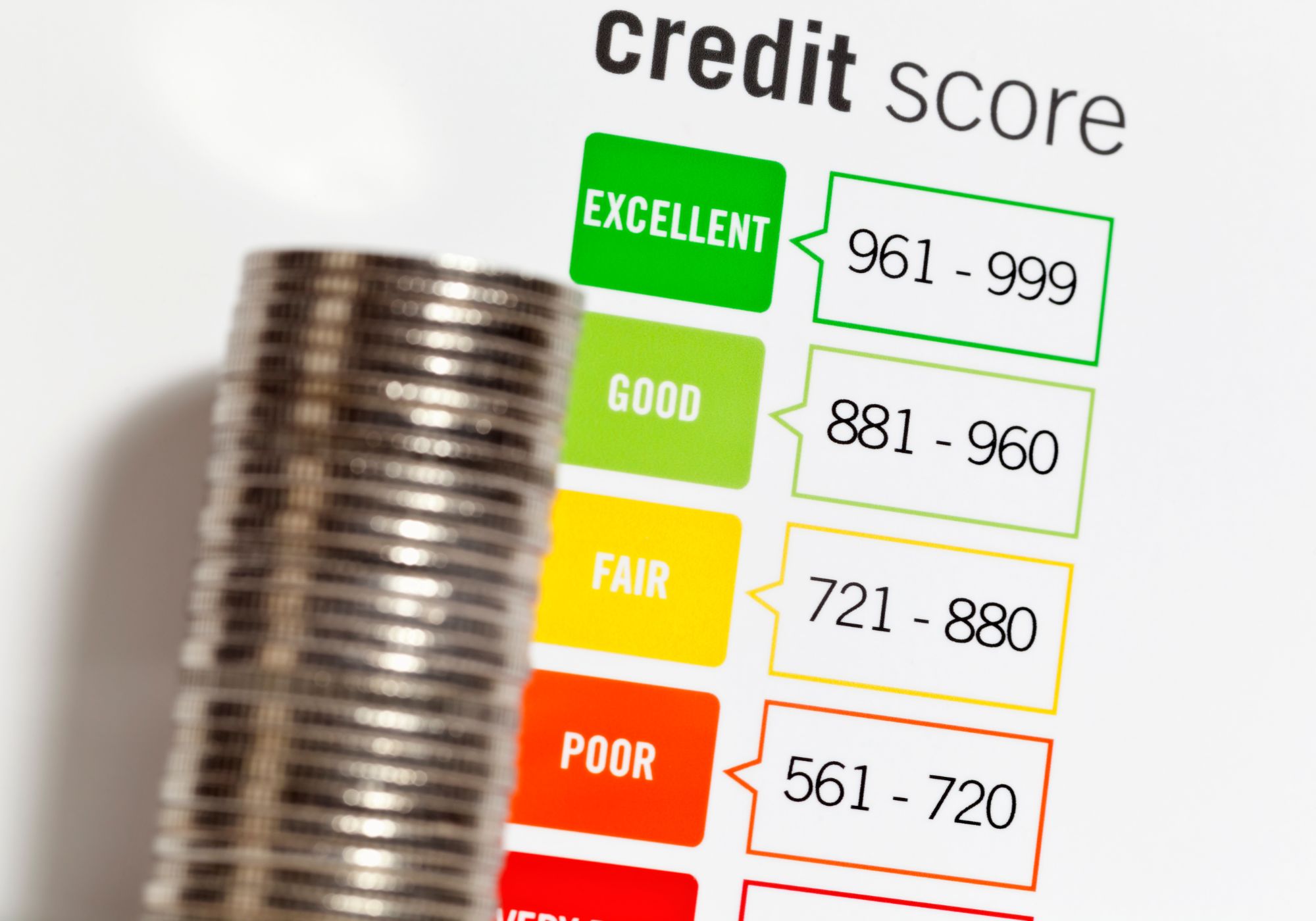
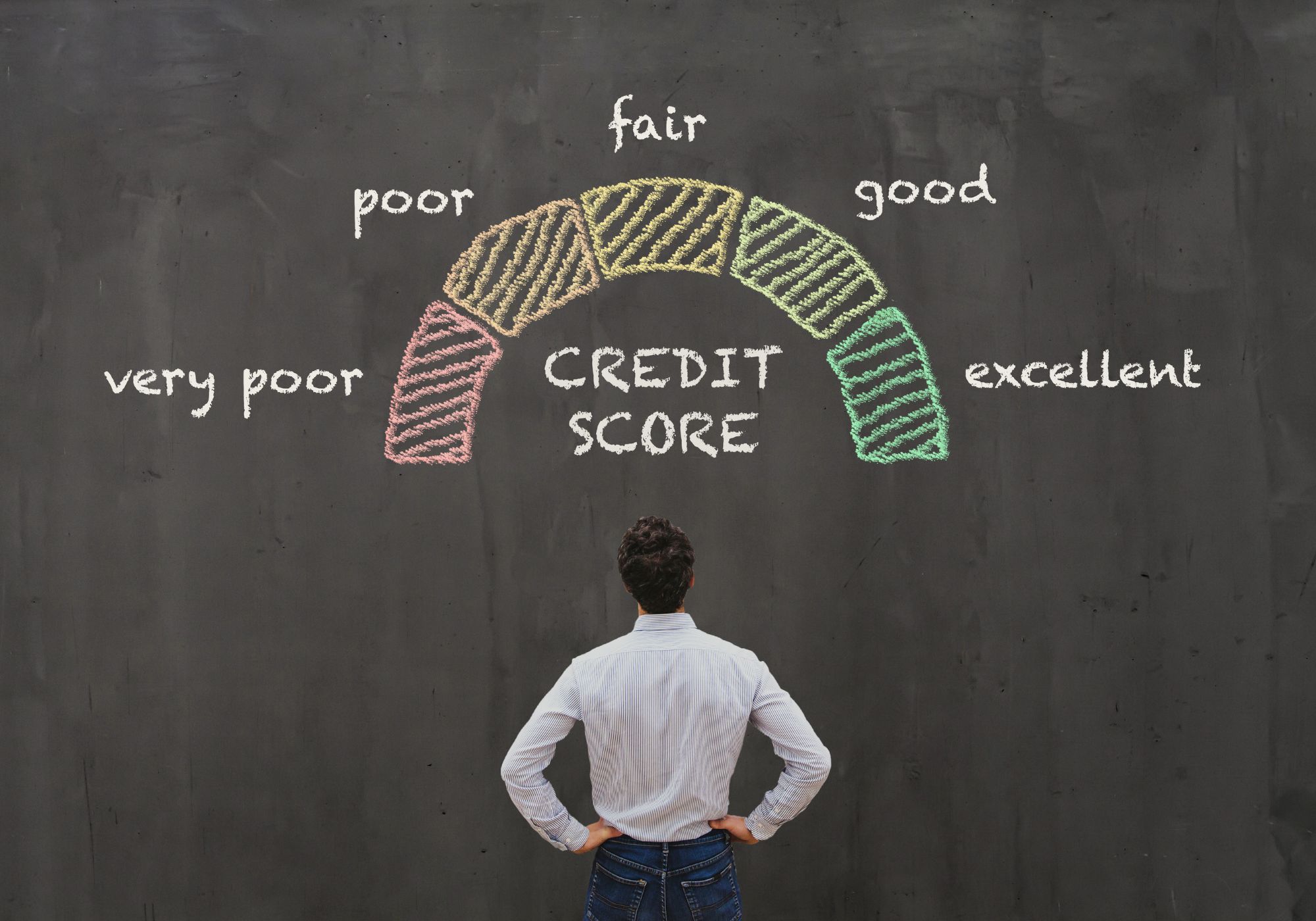
A credit score is calculated using information from your credit report. This report contains information on your payment history, outstanding debt, and other factors that can impact your ability to repay a loan. The information in your credit report is used to generate a credit score that ranges from 300 (very poor) to 850 (excellent).
Who calculates your score?
There are a few different organizations that calculate credit scores, the most well-known being FICO. Credit scores are calculated using information from your credit report, and they take into account a variety of factors including your payment history, credit utilization, and length of credit history.
Other companies, such as VantageScore, have their own proprietary scoring models that may use slightly different information or weight factors differently. But in general, all credit scores are meant to give you an idea of how likely you are to repay a loan on time.
How do you improve your credit score?
There are a few things you can do to improve your credit score. One is to make sure you keep updated on your payments and don't fall behind. You can also try to get rid of any outstanding debt that you may have. Additionally, using credit wisely by not maxing out your credit cards and making sure you pay off your balance in full each month can help improve your credit score. Finally, monitoring your credit report regularly can help you catch any errors or potential identity theft early on. By following these steps, you can work on improving your credit score and maintaining good credit health.
Your credit score is one of the most important numbers in your life. It can determine whether you can get a loan, what interest rate you?ll pay on that loan, and even whether you can rent an apartment. That?s why it?s so important to make sure your credit score is as high as possible. Fortunately, there are steps you can take to improve your credit score. We just talked about them above. Follow these guidelines, and you should see your credit score start to rise in no time!