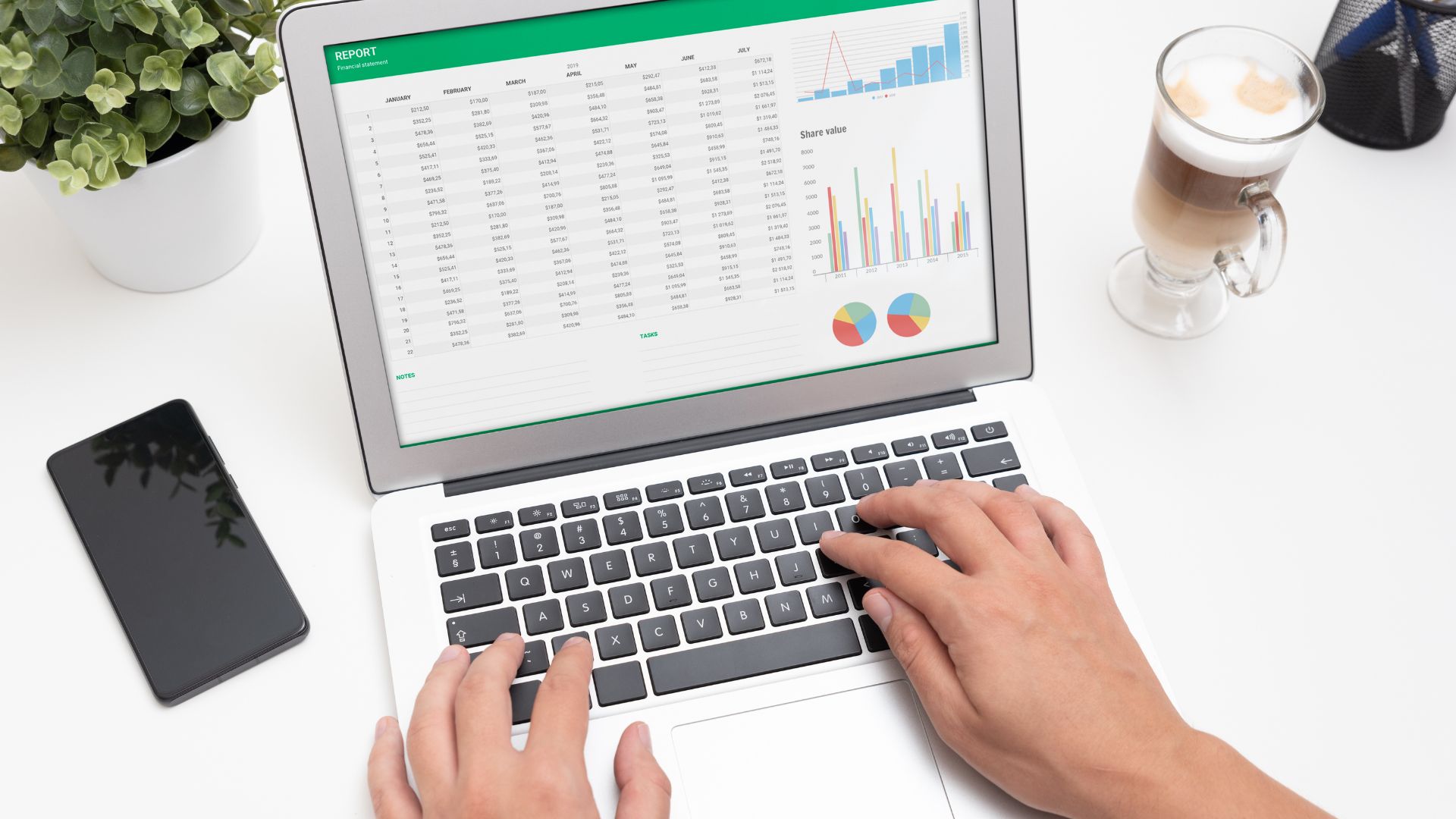
In today's fast-paced world, managing personal finances can be a daunting task. With numerous expenses to track, bills to pay, and financial goals to achieve, it's easy to feel overwhelmed and lose sight of your financial well-being. However, by utilizing a tracking tool for your budget and spending, you can gain control over your finances and make informed decisions that will lead to financial stability and success. In this blog post, we will explore the benefits of using a tracking tool, how to choose the right one, and practical tips to maximize its effectiveness.
1. Understanding the Benefits of Tracking Tools:
Keeping track of your budget and spending has several advantages that can significantly impact your financial health. Here are some key benefits.
a) Increased Awareness: A tracking tool provides a clear picture of your income, expenses, and spending habits. It helps you identify areas where you may be overspending, enabling you to make necessary adjustments to your budget.
b) Improved Budgeting: By tracking your expenses consistently, you gain insight into your financial patterns and can create a realistic budget that aligns with your income and financial goals.
c) Identifying Saving Opportunities: A tracking tool allows you to analyze your spending habits and identify areas where you can cut back or make changes to save money. It enables you to make informed decisions about your purchases and find opportunities to reduce expenses.
d) Goal Setting and Progress Tracking: With a tracking tool, you can set financial goals and monitor your progress toward achieving them. Whether it's saving for a vacation, paying off debt, or building an emergency fund, tracking your finances keeps you accountable and motivated.
2. Choosing the Right Tracking Tool:
With a plethora of budgeting and expense-tracking tools available, selecting the one that suits your needs can be challenging. Consider the following factors when choosing a tracking tool.
a) User-Friendly Interface: Look for a tool with an intuitive interface that allows you to easily input and categorize your expenses. The tool should provide clear visualizations and reports to help you analyze your spending patterns.
b) Compatibility and Syncing: Ensure the tool is compatible with your devices, such as smartphones, tablets, or computers. Look for tools that offer automatic syncing across multiple platforms for seamless tracking.
c) Security and Privacy: Protecting your financial data is crucial. Choose a tool that employs robust security measures, such as encryption and two-factor authentication, to keep your information safe.
d) Additional Features: Some tracking tools offer extra features like goal tracking, bill reminders, and spending insights. Consider your specific needs and preferences to find a tool that offers the functionalities you require.
3. Practical Tips for Effective Budget and Spending Tracking:
To make the most of your tracking tool, implement the following tips.
a) Set Realistic Goals: Define your short-term and long-term financial goals. Use your tracking tool to monitor progress and make adjustments to your budget as needed to stay on track.
b) Categorize Expenses: Create meaningful categories to classify your expenses accurately. This will help you identify areas where you're overspending and make informed decisions about where to cut back.
c) Track All Income and Expenses: Be diligent in recording all sources of income and every expense, no matter how small. Small expenses can add up quickly and significantly impact your budget.
d) Regularly Review and Analyze: Schedule regular times to review your tracked data and analyze your spending patterns. Look for trends, identify areas where you can make improvements, and celebrate milestones achieved.
e) Stay Consistent: Make tracking your expenses a habit. The more consistent you are in recording your financial information, the more accurate your budget will be, and the better control you will have over your spending.
Keeping a tracking tool for your budget and spending is an essential step toward achieving financial stability and success. By using a tracking tool, you gain awareness of your financial habits, improve your budgeting skills, and identify opportunities for savings. Remember to choose a tool that aligns with your needs and preferences and implement practical tips to maximize its effectiveness. With a well-managed budget and spending tracking system in place, you'll be well on your way to mastering your finances and achieving your financial goals.
Our goal is to provide a variety of resources to help our audience get the best help in managing life. One of our favorite tools is a FREE budget spreadsheet you can use yourself or train others. "Get it here and start running your household with more efficiency today."