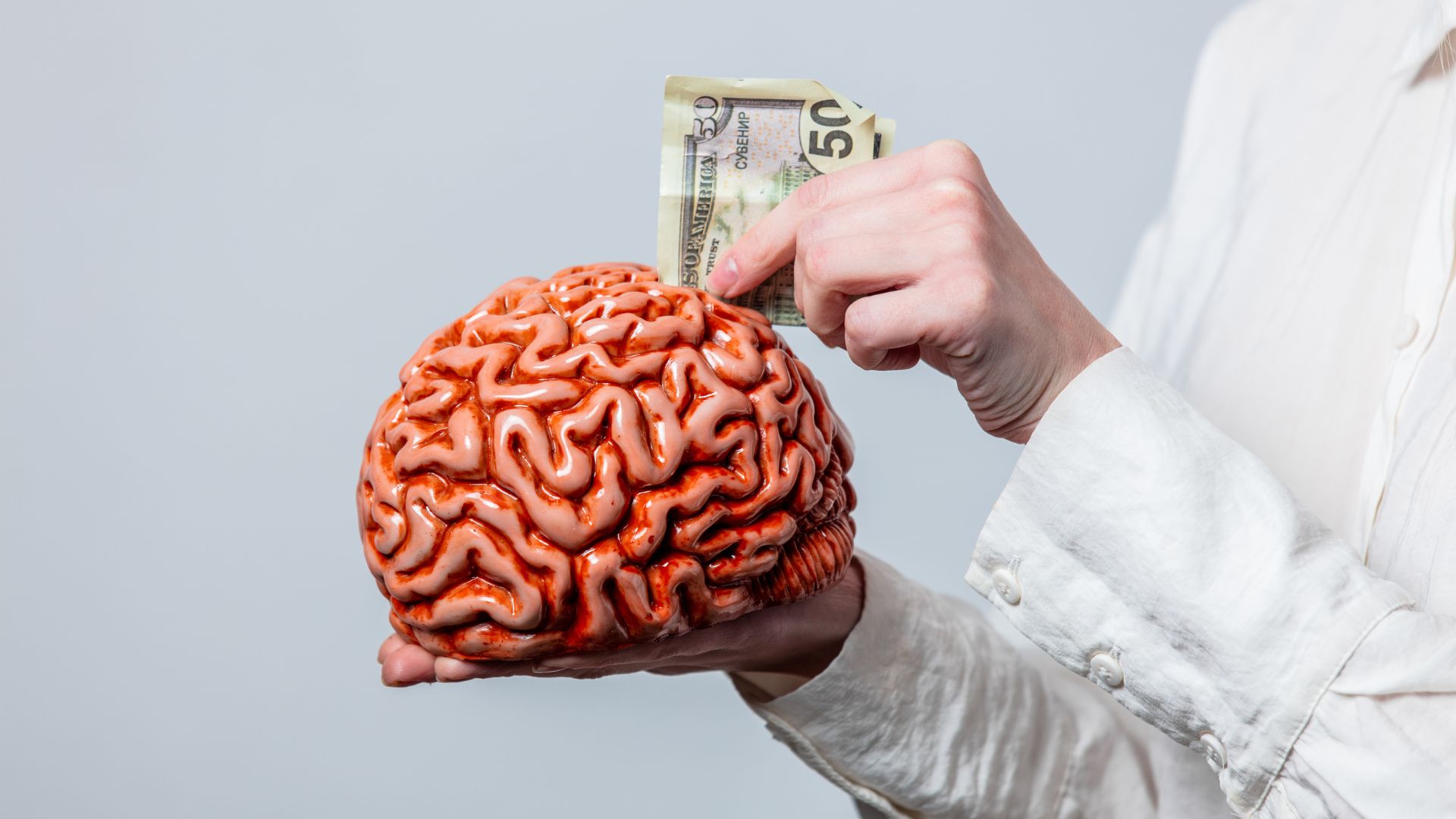
Money is a fundamental aspect of modern society, shaping our lives in countless ways. Whether we are buying a cup of coffee, paying rent, or saving for retirement, money is always a significant part of the equation. But have you ever stopped to consider the psychology of money? How does our relationship with money affect our behaviors, emotions, and overall well-being? In this blog, we will explore the psychology of money and how it influences our lives.
Money is undoubtedly essential in our daily lives. It enables us to purchase goods and services, pay bills, and meet our basic needs such as food, shelter, and clothing. Beyond the basic necessities, money can also provide opportunities for personal growth, enjoyment, and even social status. For many, the accumulation of wealth is a primary goal, with the belief that money can bring happiness, security, and freedom.
However, the importance we place on money can also have negative consequences. The pursuit of wealth can lead to greed, materialism, and a lack of empathy for others. Financial stress can cause anxiety, depression, and relationship problems. In extreme cases, financial issues can even lead to bankruptcy and homelessness.
Understanding Our Money Mindset
Our relationship with money is shaped by a range of factors, including our upbringing, culture, and personal experiences. These factors form our money mindset or our beliefs, attitudes, and behaviors related to money.
Some individuals may have a scarcity mindset, where they believe that money is scarce and difficult to obtain. This mindset can lead to a fear of spending, hoarding, and a focus on the negative aspects of financial situations.
In contrast, others may have an abundance mindset, where they believe that money is plentiful and opportunities to earn it are abundant. This mindset can lead to a more positive outlook on financial situations, a willingness to take risks, and a focus on creating opportunities.
The Role of Emotions in Financial Decisions
When it comes to money, emotions can play a significant role in our decision-making processes. For example, fear can cause us to avoid risks, even if they could potentially lead to financial gain. Conversely, excitement or greed can lead us to take unnecessary risks that result in financial loss.
Moreover, our emotions can influence how we spend money. Impulsive purchases made during moments of excitement or sadness can lead to overspending and financial stress.
The Role of Cognitive Biases in Financial Decisions
Cognitive biases are errors in thinking that can lead to flawed decision-making. When it comes to money, cognitive biases can have a significant impact on our financial decisions.
One common cognitive bias is the anchoring effect, where our decisions are influenced by the first piece of information we receive. For example, when negotiating the price of a car, the initial price given by the salesperson can anchor our expectations, leading us to accept a higher price than we would have otherwise.
Another cognitive bias is the sunk cost fallacy, where we continue to invest in a project or activity because we have already invested time, money, or effort, even if it is no longer beneficial.
How to Improve Our Relationship with Money
Improving our relationship with money requires self-awareness, a willingness to examine our beliefs and behaviors related to money and a commitment to change.
One way to start is by setting financial goals and creating a budget. This can help us gain a better understanding of our income, expenses, and priorities, and help us make informed decisions about spending and saving.
Another way to improve our relationship with money is to practice mindfulness. This involves paying attention to our thoughts, emotions, and behaviors related to money without judgment. By increasing our awareness of our relationship with money, we can begin to make positive changes.
In conclusion, the psychology of money is a complex and fascinating area of study that has significant implications for our financial well-being. Our beliefs, emotions, and behaviors around money can have a profound impact on our financial decisions and outcomes. By understanding the psychology of money, we can identify and overcome our biases and emotional reactions, develop healthy financial habits, and work towards our financial goals. It is important to remember that our relationship with money is not fixed and can be changed with effort and practice. By being mindful of our thoughts and feelings around money, we can create a positive and empowering relationship with our finances. Ultimately, the key to financial success is not just about making more money, but also about understanding our relationship with money and developing healthy financial habits that support our goals and values.